Pathway
Industrial engineering in Iran, quality assurance in manufacturing, a doctorate in Turin co-supervised from Canada, and now strategic oversight of doctoral research at a British business school. The route explains the research question.
Where the question came from
Four years in Iranian manufacturing, latterly as quality assurance manager at Kaveh Glass Group, produced an observation that took years to recognise as a research question.
Firms in the same city, facing identical currency chaos and identical export restrictions, behaved in completely different ways. The explanations available at the time, about national culture or institutional voids, described the average and missed everyone in it.
The doctorate at Turin was co-supervised across three countries. Its title, on internationalisation “on one’s own terms”, is a fair summary of everything since.
Career
Quality Assurance Manager at Kaveh Glass Group, then sales and distribution roles. Four years watching firms in one city respond to identical constraints in opposite ways.
Ph.D. in Business and Management, funded, co-supervised across Italy and Canada.
Research and teaching fellowship, Department of Management, University of Turin.
Assistant Professor of Business Strategy, School of Strategy and Leadership. Associate Director of B.A. Business Administration.
Assistant Professor of International Entrepreneurship. Director of the M.Sc. International Business and the B.Sc. International Business and Management programmes.
Associate Professor of International Entrepreneurship. Director of the Ph.D. Programme for the College of Business and Social Sciences, overseeing 150+ doctoral students. Founded the PGR Hub.
Following a college restructure, directing research degrees at Aston Business School: the Ph.D., the MSc by Research and the DBA, spanning admissions, progression, examination and researcher development.
Research
Comparative work on how home-country institutions shape entrepreneurial internationalisation, using cross-national survey data. Established the empirical base but treated entrepreneurs as broadly interchangeable.
Turning to the individual: managerial capabilities, dynamic capabilities, knowledge hiding, digital transformation. The actor becomes the unit of analysis rather than the firm or the country.
Specifying the transmission from national culture to individual cognition, and showing it operates selectively. The Journal of International Business Studies and Strategic Entrepreneurship Journal papers sit here.
Moving to digital platforms where signals and their reception are both observable at scale, and relocating signal cost from the sender to the receiving audience.
Experimental designs for the attentional mechanisms, internationalisation mode choice across 25,200 digital ventures, and how AI credibility dynamics vary across institutional contexts.
Reach
Each highlighted country carries an appointment or degree, a funded project, empirical fieldwork, a doctoral candidate supervised, or an invited lecture.
Education
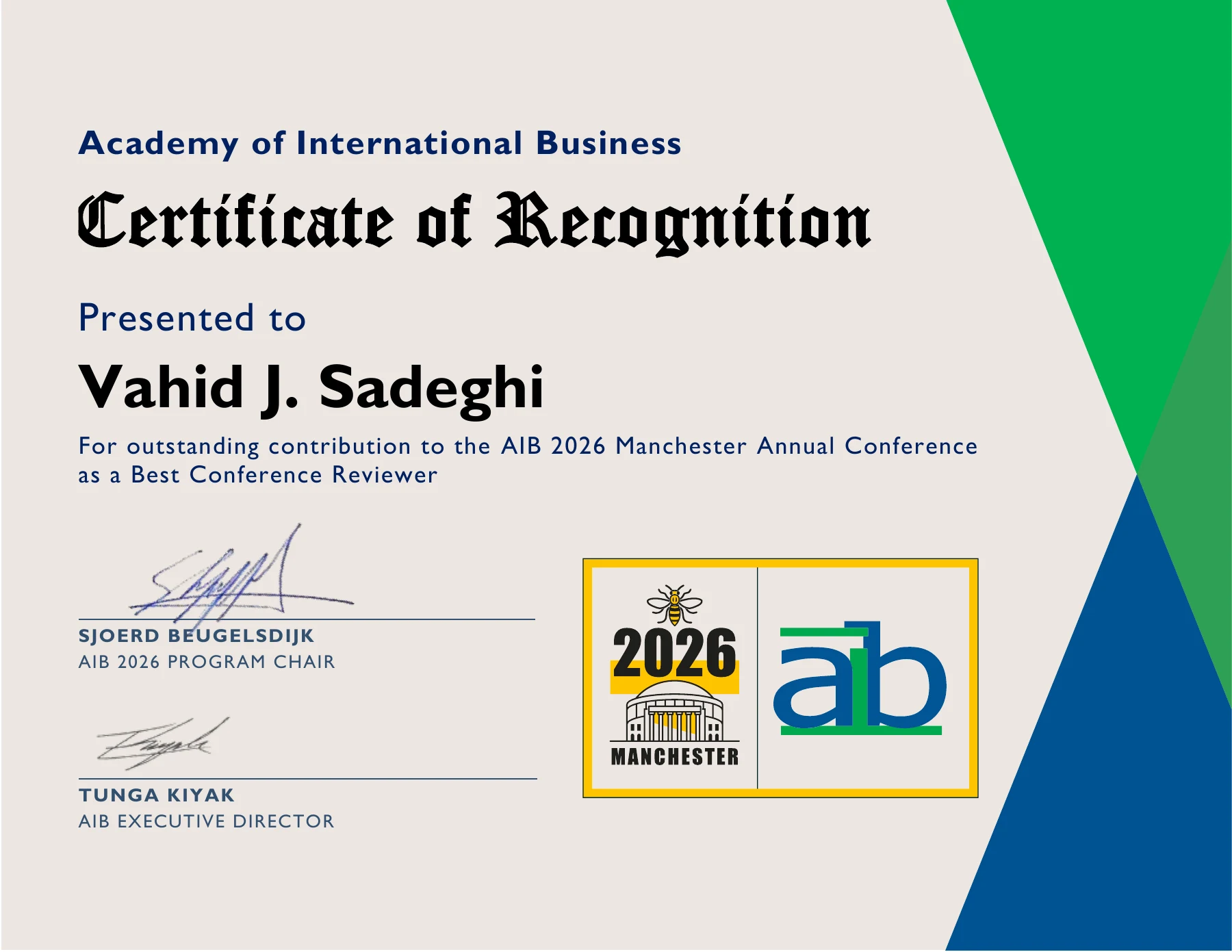
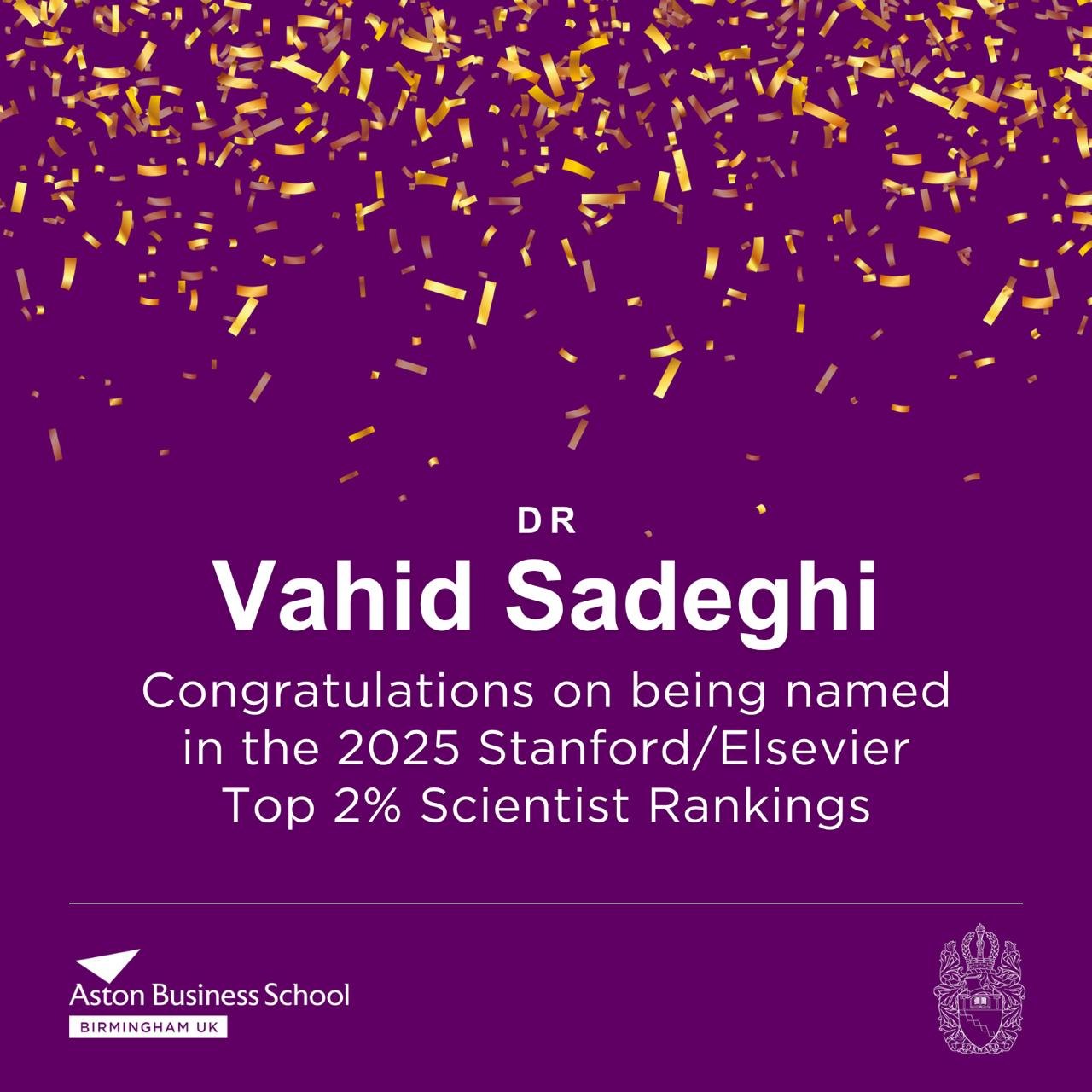
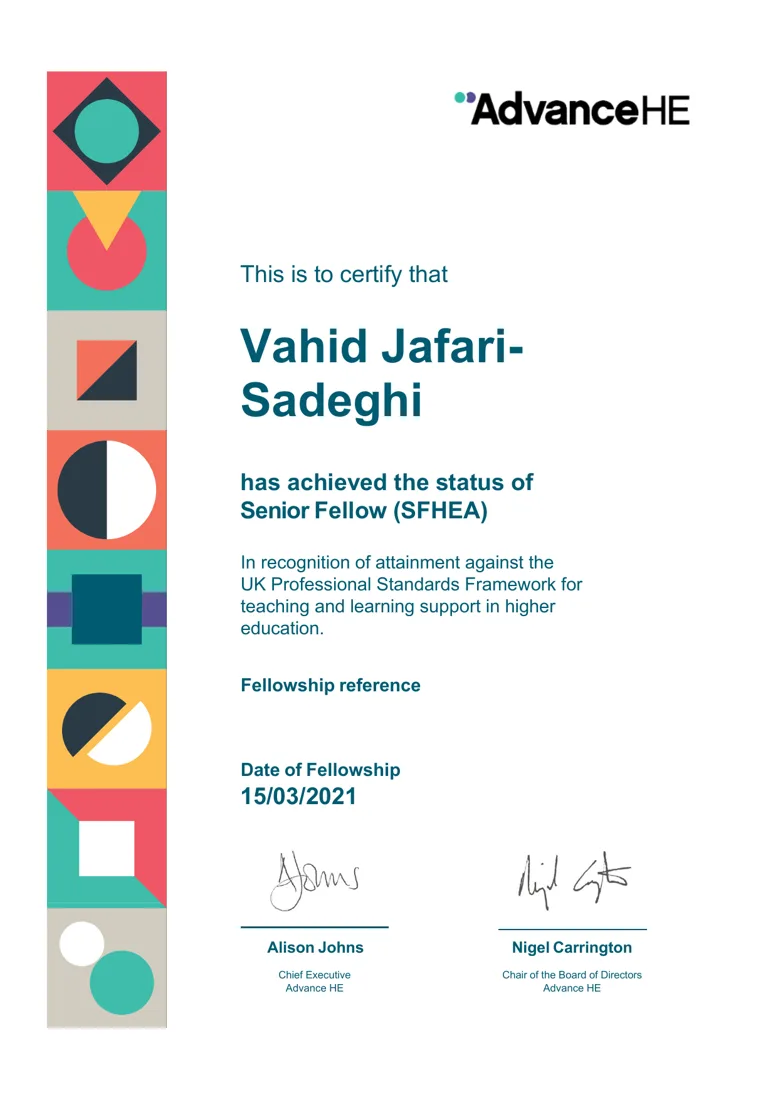
Recognition