Who decides whether an entrepreneur's claim is believable?
Any venture can say it uses AI. Any founder can post about their struggles. Both claims cost almost nothing to make, so classical signalling theory says they should carry no information. Yet audiences act on them.
Read the story →
Why do entrepreneurs from one country make opposite choices?
Take two entrepreneurs in one country, sector and regulatory regime. One takes the venture abroad and the other never leaves home. Country-level explanations cannot tell you which will do which.
Read the story →
Who gets the chance to take part in entrepreneurship?
Entrepreneurship policy often assumes that once a market, platform or support scheme exists, people will use it. The published evidence is less encouraging. Gender, geography, family expectations, finance, access to technology and institutional voids decide who can act on an opportunity in the first place.
Read the story →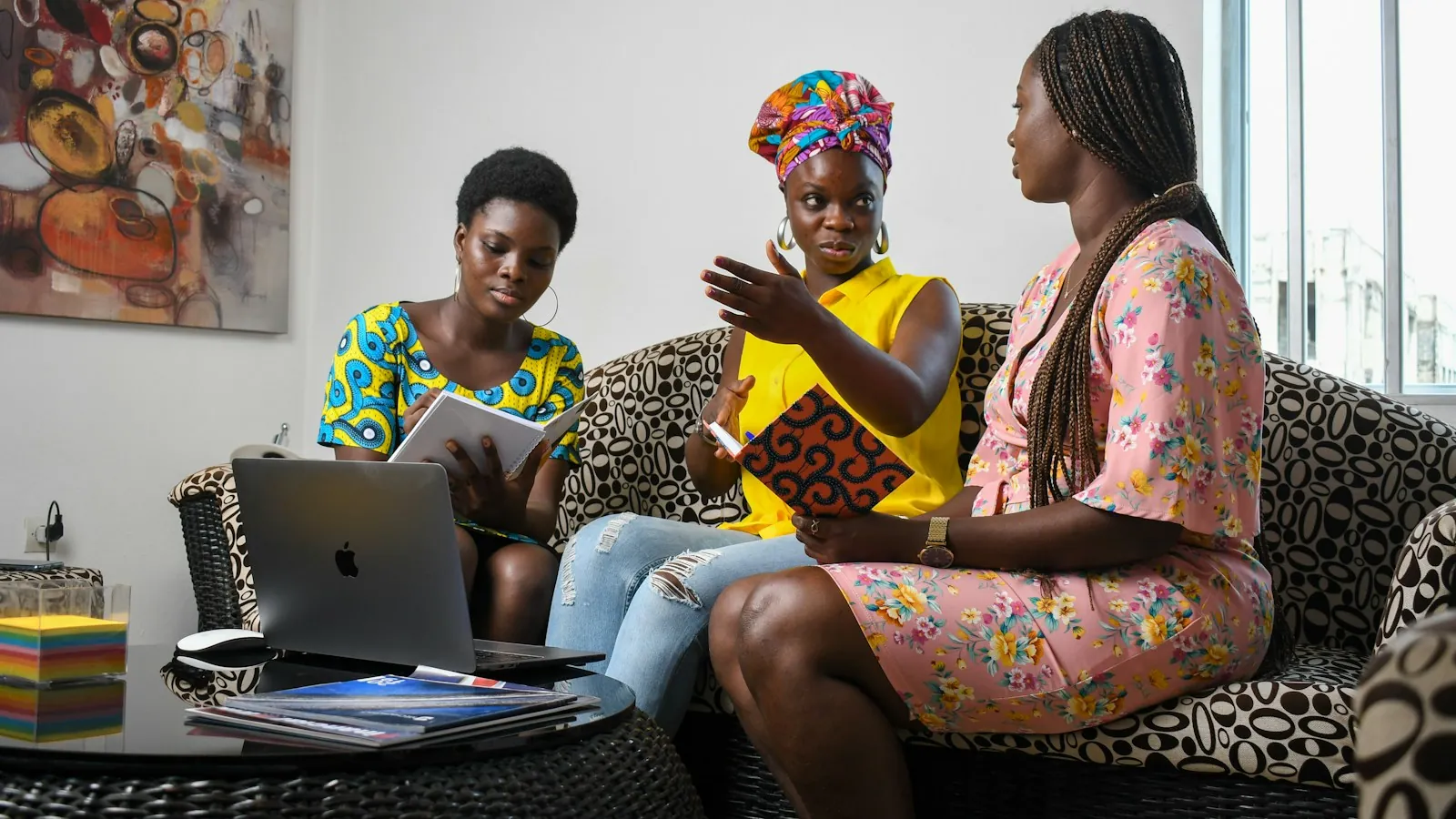
How firms leave foreign markets and come back
Entrepreneurial firms are pulling out of foreign markets at a rate not seen in two decades. Almost all of it is reported as failure.
Read the story →
Photographs by Teemu Paananen, paws and prints, Iwaria Inc. and Timelab, via Unsplash.